
*1,000 mu · fully delivered by the end of 2027
Cultivation to specification
Control begins in cultivation.
From enclosed glass-greenhouse raceways to powder, oil and microencapsulated grades, HETCHYN manages the production variables that shape ingredient specifications.
- Glass-greenhouse cultivation
- Two extraction routes
- Three ingredient formats
- Specification-led production
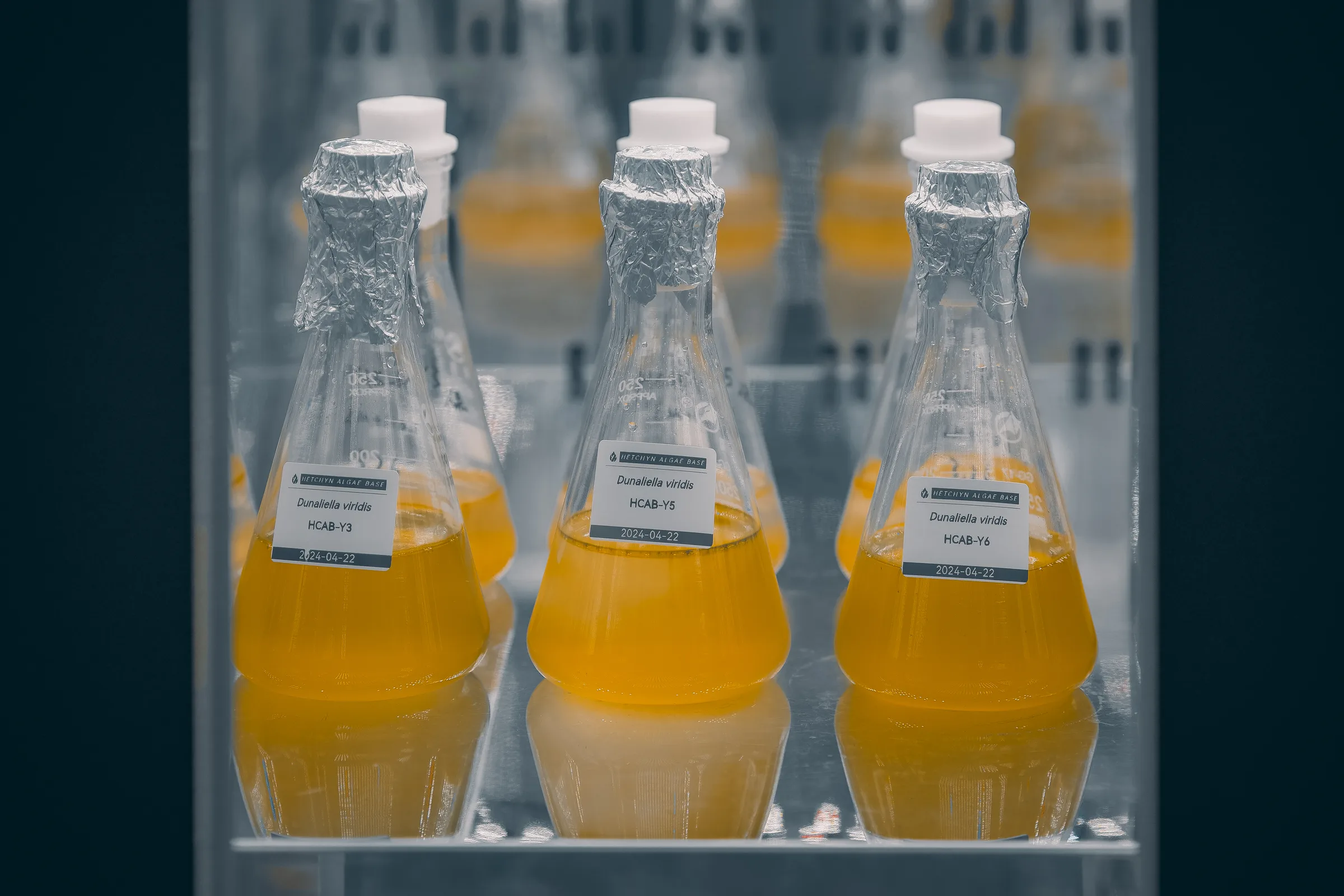
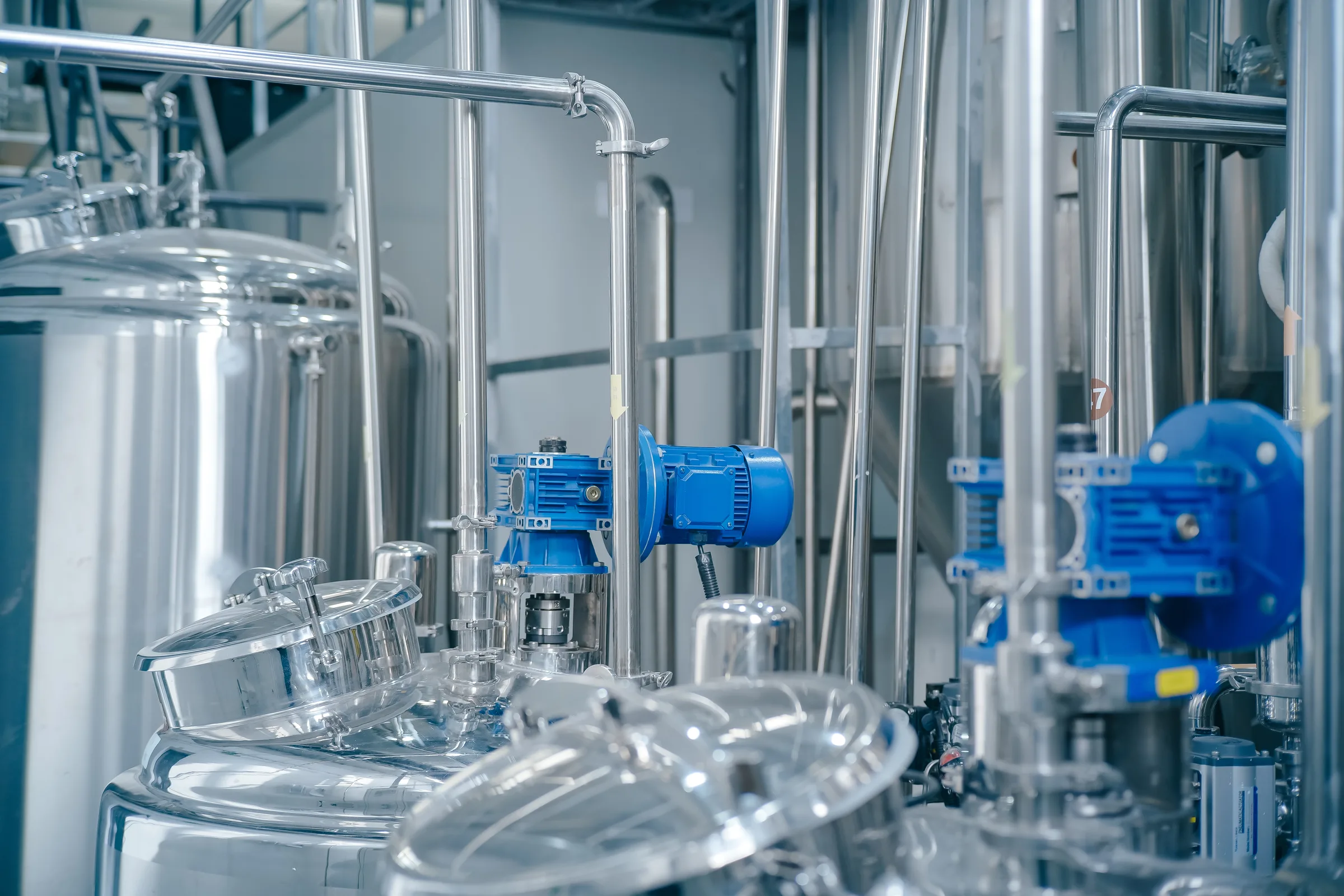
Ethyl acetate + supercritical CO₂
Powder, oil + microencapsulated powder
Cultivation through batch documentation
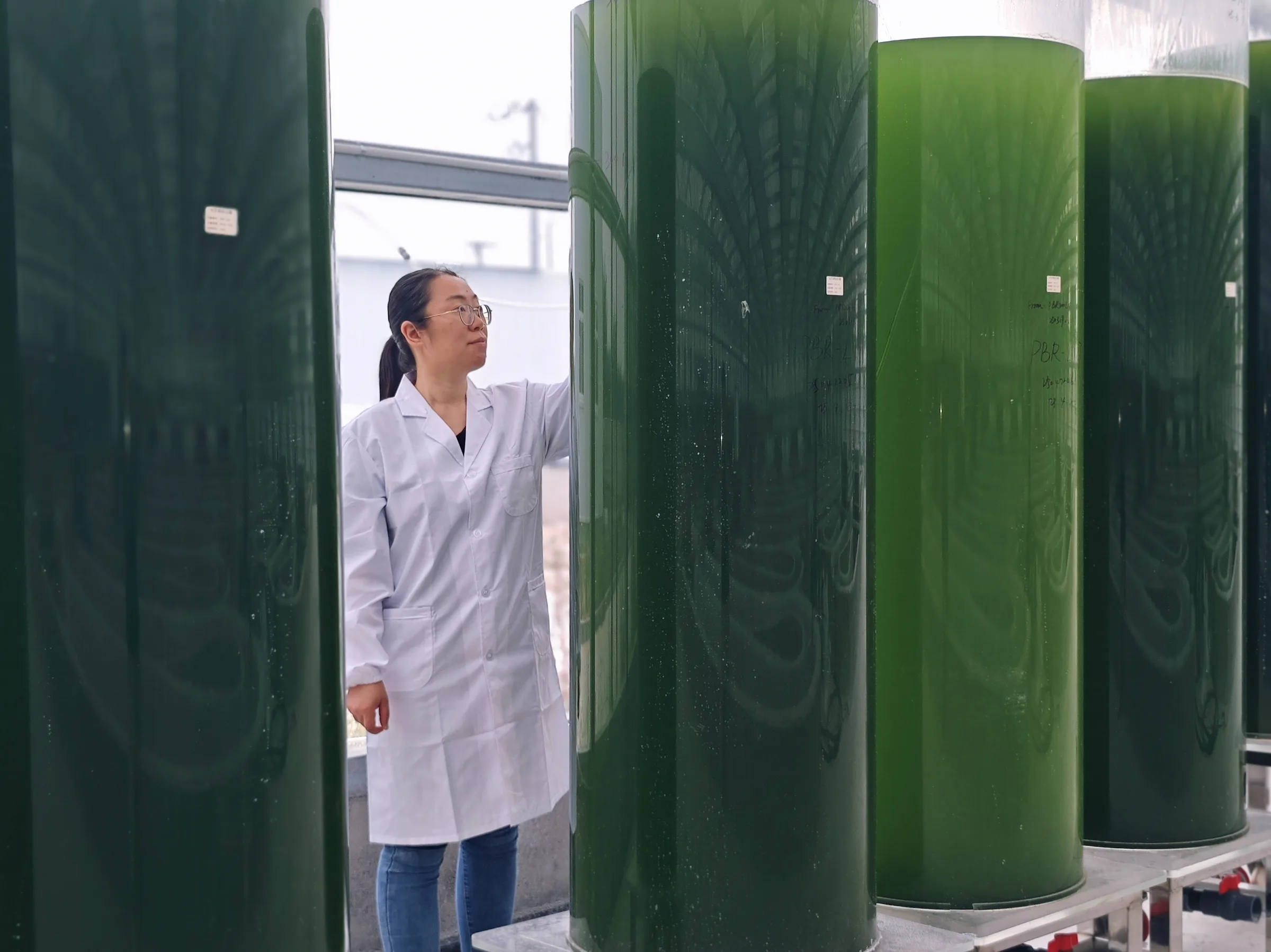 Controlled culture development and monitoring
Controlled cultivation
Control the culture before you standardise the ingredient.
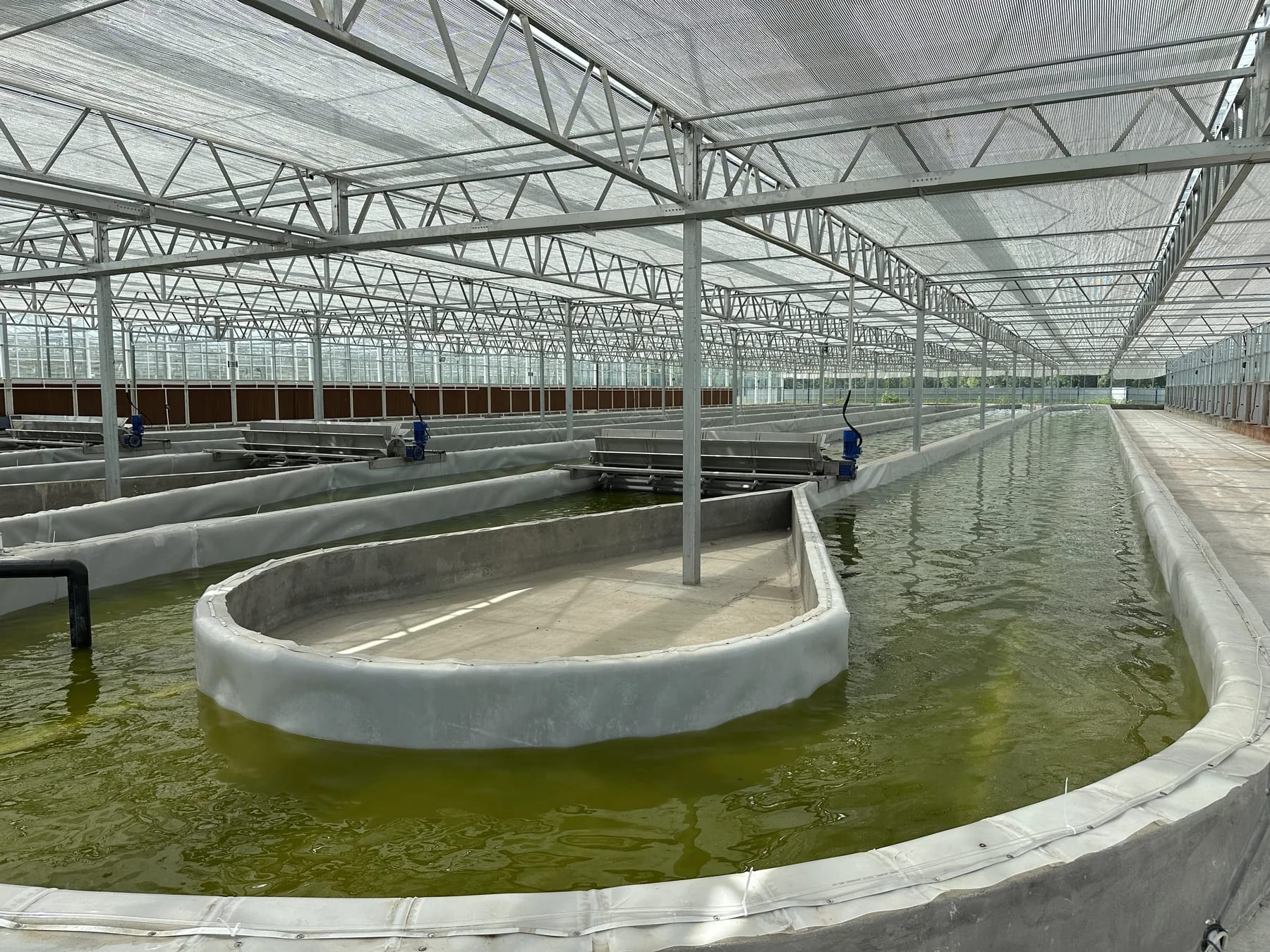
Enclosed raceways provide physical separation from open-air cultivation and give the operating team a defined environment for managing the culture. That control starts upstream, before concentration, drying or extraction.
01Light
02Temperature
03Salinity
04Nutrients
05Water circulation
06Physical isolation
Connected production routes
One biological source. Three commercial formats.
The shared upstream process creates Dunaliella powder. From there, the route branches according to the delivery system the customer needs.
Extraction choice
Choose the route by the required specification.
Both routes produce oil-soluble natural beta-carotene ingredients. Their concentration ranges and residual-solvent profiles are different.
REEthyl acetate extraction
Concentration flexibility up to 30%.
- Fixed grades
- 10% · 20% · 30%
- Custom range
- 1–30%
- Total residual solvents
- ≤20 ppm
SESupercritical CO₂ extraction
A route with no residual extraction solvent.
- Fixed grades
- 5% · 10% · 20%
- Custom range
- 0–20%
- Residual extraction solvent
- None
Technology to specification
Production choices become measurable requirements.
For a B2B ingredient buyer, the useful result of process control is a product code with clear release criteria and batch-level documentation.
Review our quality approachPowder-specific controlDunaliella salina powder total arsenic control.
Representative batches can be below 0.5 ppm total arsenic, with the result reported against the selected batch and COA.
Cultivation control
A more consistent biological starting point
Greenhouse raceways allow the operating team to manage the culture variables that influence biomass quality before harvest.
Route selection
A defined potency and solvent profile
The selected drying or extraction route determines the available ingredient format, concentration range and residual-solvent requirement.
Standardisation
Fixed grades and practical custom ranges
Standard and custom potency options let product teams match the ingredient to a dosage form instead of forcing one grade into every application.
Batch release
Requirements connected to batch evidence
The Product Specification defines release requirements; the COA reports the actual batch result; the SDS supports safe handling.
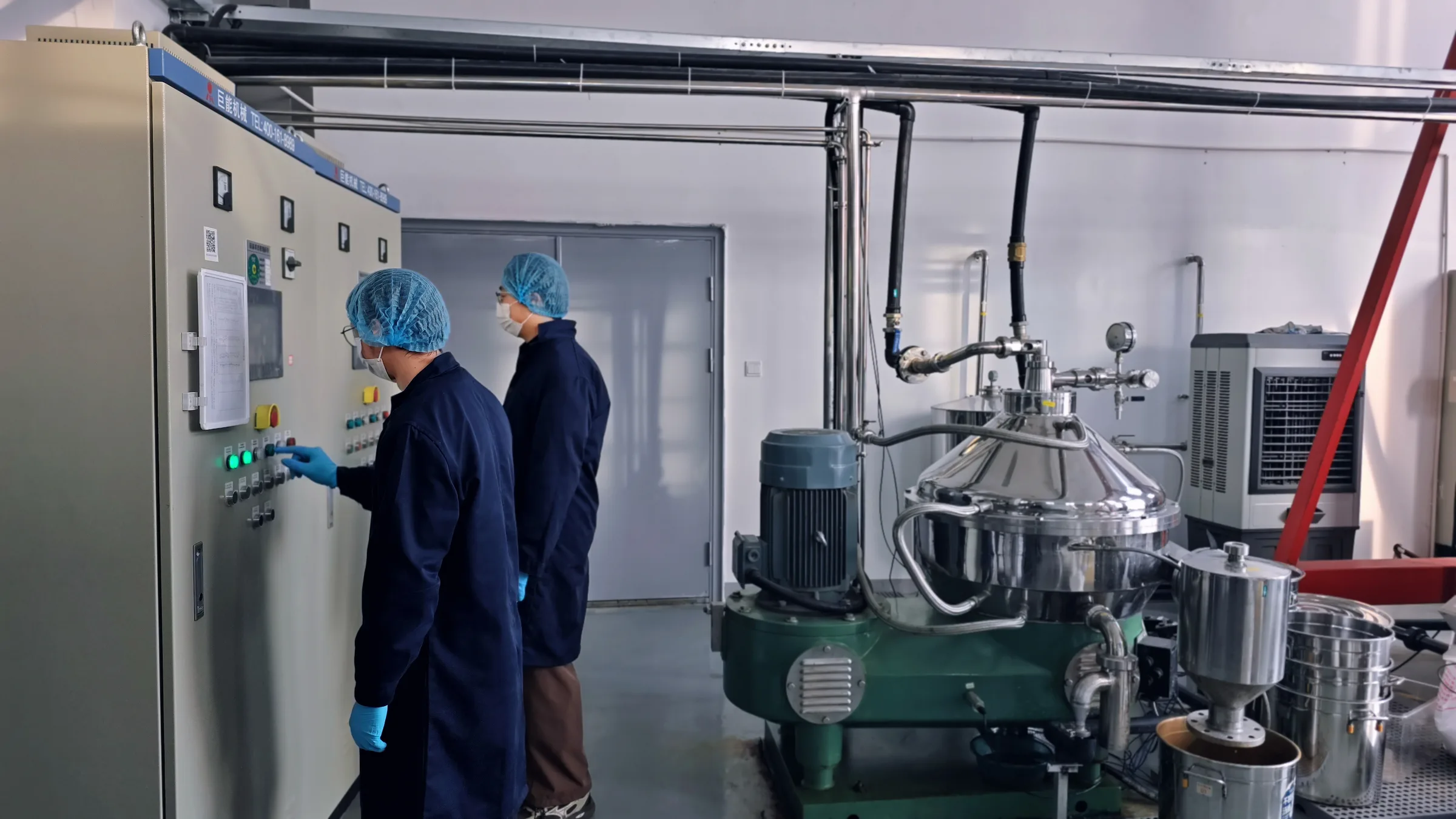
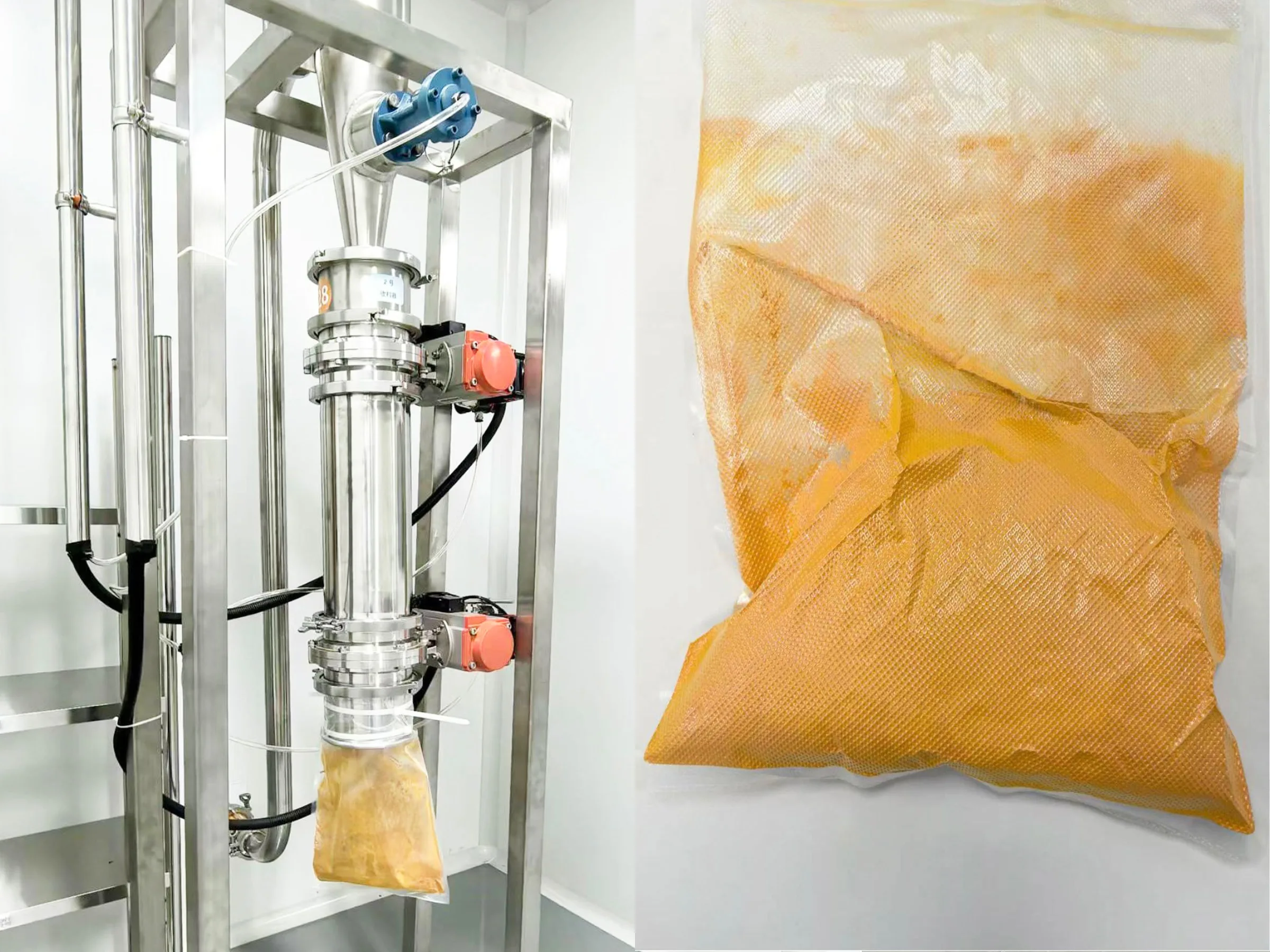
Production evidence
See the infrastructure behind the route.
Real cultivation and downstream operations connect the process map to physical production.
Applied algae leadership
From cultivation invention to applied microalgae science.
HETCHYN's technology platform brings founder-led Dunaliella cultivation expertise together with long-term academic research in microalgae and high-value biological compounds.

Founder & CEO
Dr. Nancy Xu
Dr. Nancy Xu is a leading expert in Dunaliella salina cultivation and commercial natural carotenoids. She is named as an inventor on multiple international patent records covering Dunaliella production and related algal technologies.
LinkedIn profile
Chief Scientist
Professor Patricia Harvey
Professor Patricia Harvey is HETCHYN's Chief Scientist and Emeritus Professor of Biochemistry at the University of Greenwich. Her work spans microalgae, biorefineries and sustainable production of high-value compounds.
Explore HETCHYN researchResource efficiency
Water stays in the cultivation loop.
The cultivation system is designed around zero liquid discharge. Cultivation water is recovered and reused, while photosynthesis converts carbon dioxide into algal biomass.
- Zero liquid discharge design
- Cultivation water recovery and reuse
- Carbon converted into biomass during growth
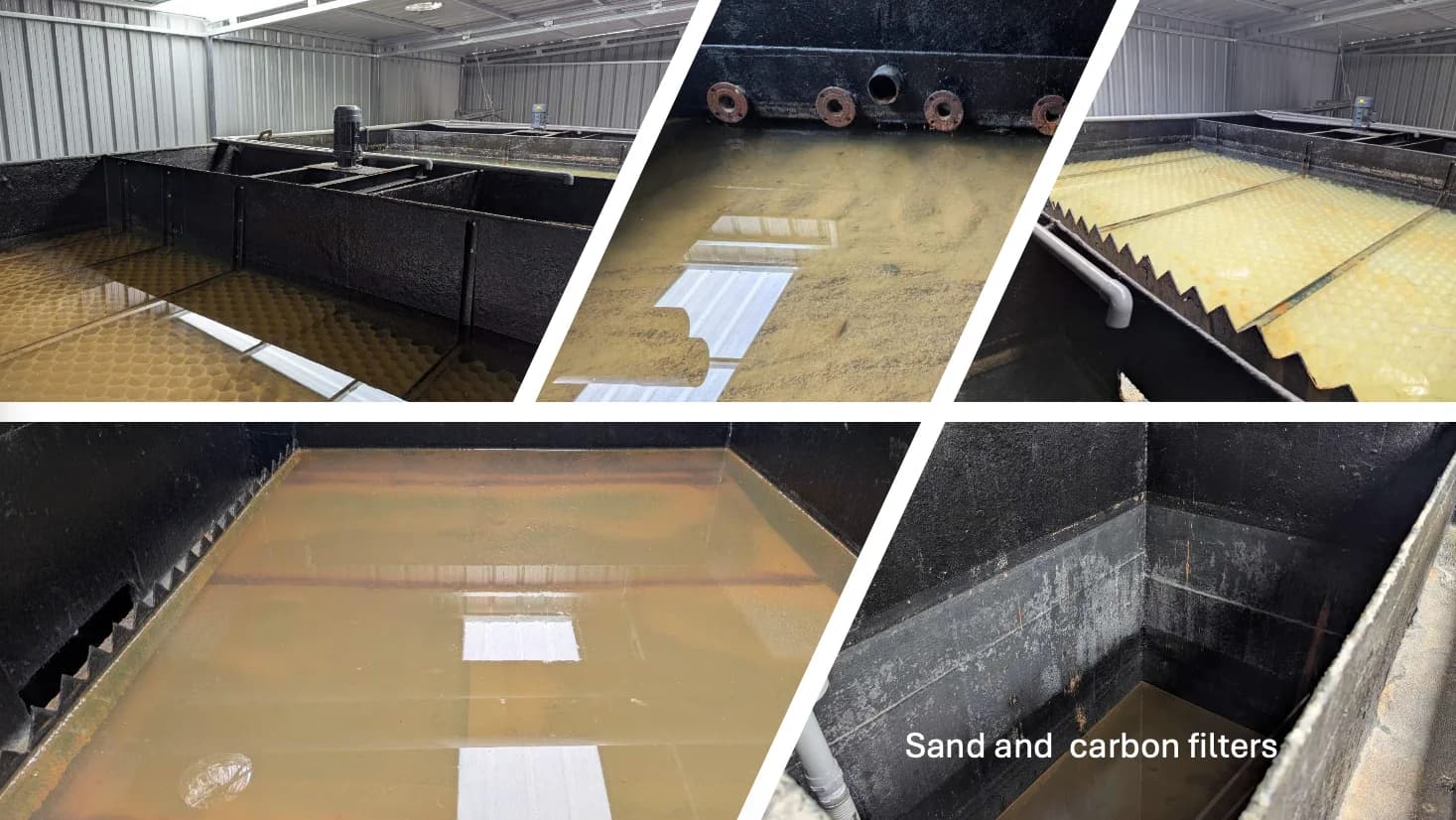 Closed-loop water recovery and filtration
Talk to our ingredient team
Match a production route to your target specification.
Share your application, target potency and market. We will help identify the most suitable starting grade.
Start an inquiry